
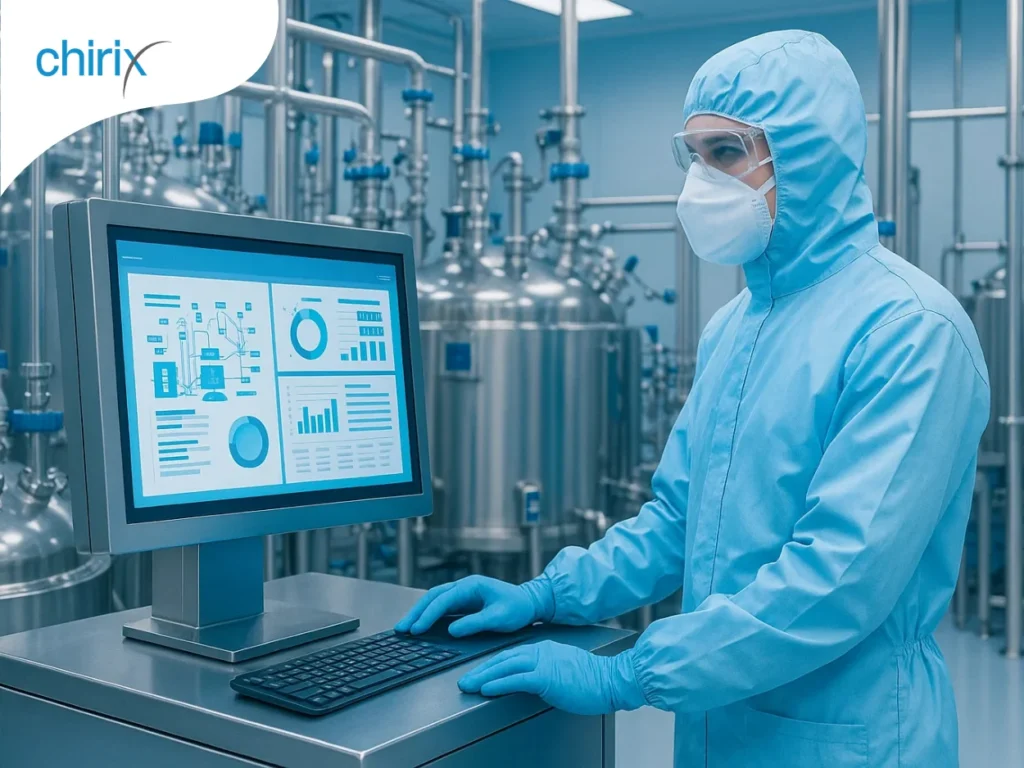
Did you know that 30% of chemical manufacturers face production delays due to inefficient processes? In an industry where precision, compliance, and efficiency are critical, even small inefficiencies can lead to significant losses. This is where ERP software for chemical manufacturing comes into play. By integrating and automating key processes, ERP systems can transform how chemical manufacturers operate, ensuring they stay competitive in a rapidly evolving market.
In this blog, we’ll explore five proven ways ERP software for chemical manufacturing can optimise operations, ensure compliance, and boost profitability.
1. Streamlined Production Planning and Scheduling
Optimize Resource Allocation with ERP Software
Chemical manufacturing involves complex processes that require precise coordination of raw materials, labour, and equipment. ERP software for chemical manufacturing ensures resources are allocated efficiently, minimising waste and maximising output. With features like real-time data tracking and predictive analytics, manufacturers can make informed decisions about resource utilisation, ensuring optimal productivity.
Minimize Downtime and Eliminate Bottlenecks
Production bottlenecks and unplanned downtime can cost manufacturers thousands of dollars per hour. ERP systems identify these bottlenecks in real time and provide automated scheduling tools to resolve them quickly. For example, if a machine is underperforming, the ERP system can automatically reschedule tasks to other equipment, minimising disruptions and keeping production on track.
2. Enhanced Regulatory Compliance
Simplify Compliance Reporting with Automation
The chemical manufacturing industry is heavily regulated, with standards like REACH, OSHA, and GHS requiring meticulous documentation and reporting. ERP software for chemical manufacturing automates compliance processes, generating accurate reports and maintaining audit trails effortlessly. This not only reduces the risk of non-compliance but also saves valuable time for your team.
Ensure Safety with Real-Time Monitoring
Safety is a top priority in chemical manufacturing. ERP systems monitor safety standards in real time, ensuring adherence to protocols and minimising risks. For instance, if a hazardous material is mishandled, the system can immediately alert supervisors and trigger corrective actions. This level of traceability is essential for maintaining a safe and compliant manufacturing environment.
3. Improved Inventory Management
Gain Real-Time Inventory Visibility
Managing inventory in chemical manufacturing can be challenging, especially when dealing with perishable or hazardous materials. ERP software for chemical manufacturing provides real-time visibility into inventory levels, helping manufacturers avoid overstocking or stockouts. With integrations like IoT sensors and barcode scanning, inventory data is always accurate and up-to-date.
Optimize Procurement with Demand Forecasting
ERP systems use historical data and market trends to predict demand and optimise procurement. For example, if a particular raw material is expected to be in short supply, the system can automatically place orders in advance, ensuring uninterrupted production. This proactive approach not only reduces costs but also improves supply chain efficiency.
4. Better Supply Chain Management
Achieve End-to-End Supply Chain Visibility
From raw materials to finished products, the chemical manufacturing supply chain is complex and often fragmented. ERP software for chemical manufacturing offers end-to-end visibility, enabling manufacturers to track every stage of the supply chain. Supplier collaboration tools further enhance transparency, ensuring smooth communication and timely deliveries.
Reduce Lead Times and Operational Costs
Delays in the supply chain can have a ripple effect on production schedules. ERP systems streamline procurement, logistics, and distribution, reducing lead times and operational costs. For instance, by optimising transportation routes and consolidating shipments, manufacturers can significantly cut down on logistics expenses.
5. Data-Driven Decision Making
Centralize Data for Better Insights
In chemical manufacturing, data is often scattered across multiple departments, making it difficult to gain actionable insights. ERP software for chemical manufacturing consolidates all data into a single platform, providing a 360-degree view of operations. With customisable dashboards and reporting tools, decision-makers can access critical information at a glance.
Leverage Predictive Analytics for Strategic Planning
Predictive analytics is a game-changer for chemical manufacturers. ERP systems analyse historical data and market trends to forecast future demand, production needs, and financial performance. This enables manufacturers to make data-driven decisions that drive growth and profitability. For example, if a product is expected to see increased demand, the system can recommend scaling up production in advance.
Conclusion
In an industry as complex and competitive as chemical manufacturing, ERP software for chemical manufacturing is no longer a luxury—it’s a necessity. From streamlining production planning and ensuring regulatory compliance to optimising inventory management and enhancing supply chain visibility, ERP systems offer a wide range of benefits that can transform your operations.
By leveraging data-driven insights and advanced automation, chemical manufacturers can not only overcome their biggest challenges but also unlock new opportunities for growth and innovation.
Ready to take your chemical manufacturing processes to the next level? Explore how ERP software for chemical manufacturing can help you achieve your goals. Contact us today to schedule a demo or learn more about our tailored solutions!
Custom ERP systems are game-changers for chemical production! Streamlining operations, ensuring compliance, and boosting efficiency—this tech is a must for modern manufacturers. Great insights on how tailored solutions can transform the industry. #ERPSolutions #SmartManufacturing