
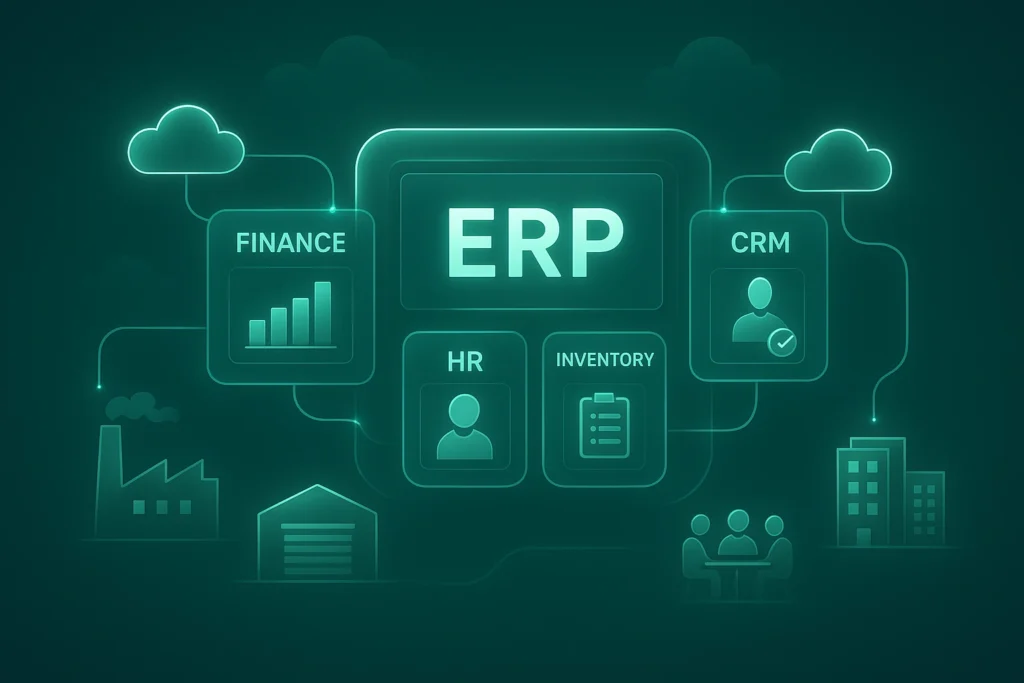
In today’s highly connected business world, having separate systems for finance, sales, inventory, and HR creates delays and data chaos. Companies now want a unified digital backbone where data flows automatically across all operations — this is the power of a seamlessly integrated ERP system.
If you’re planning to buy ERP software, choosing one with smooth integration features is crucial for boosting efficiency, reducing manual tasks, and improving real-time decision-making. In this guide, we’ll explore the best ERP platforms to consider, the features that matter, and how to make a smart buying decision.
What Makes ERP Software Seamless and Fully Integrated?
A well-integrated ERP system ensures:
- Single source of truth with a unified database
- Real-time data sharing between all departments
- Automated workflows without manual intervention
- Smooth connectivity with third-party apps, devices & customer portals
This results in accurate reporting, faster operations, and a business that runs like a single smart unit.
Why Businesses Should Buy ERP Software With Strong Integration Features
Integration isn’t just a technical requirement — it drives better teamwork and smoother operations.
Better Customer Experience
When sales, inventory, and delivery systems are connected, customers enjoy faster fulfilment and transparent tracking.
Cost Savings & Higher Efficiency
Seamless integration eliminates duplicate efforts, reduces errors, and frees your team from repetitive manual work.
Smart Decisions Powered by Analytics
Leaders gain insights instantly — making planning, forecasting, and growth faster and more reliable.
Features to Look for Before You Buy ERP Software
When comparing ERP solutions, make sure they support:
- Cloud accessibility for remote and mobile teams
- API integration with existing tools like CRM, payment apps & e-commerce systems
- Modular scalability (Finance, CRM, Inventory, HRM, Manufacturing, etc.)
- Strong data security & user access controls
- Clean, intuitive interface for easy user adoption
Industry-Specific Capabilities
Choose modules tailored to your business type — e.g., BOM for manufacturing, multi-location stock for trading.
Automation & AI Support
Predictive analytics, workflow automation, and AI-driven recommendations improve long-term growth.
Top Industries That Benefit From Seamless ERP Integration
- Manufacturing & Production
- Retail & eCommerce
- Logistics & Distribution
- Professional Services
- SMEs expanding into new markets
Any organisation needing connected operations will benefit greatly.
Best ERP Software to Buy for Seamless Integration
Here are the top ERP systems businesses trust for smooth workflow automation:
⭐ Chirix ERP Software — Best for Modern SMEs
If you want a flexible, affordable, and user-friendly ERP, Chirix ERP stands out with:
- Cloud-based modules built for end-to-end integration
- Inventory, CRM, Procurement, HR, Finance & Production in one platform
- Automation to reduce manual workload
- India GST compliance & multilingual support
Ideal for growing businesses that want enterprise-level power at SMB-friendly pricing.
SAP Business One
- Strong financial & supply chain integration
- Best suited for mid- to large-sized enterprises
Oracle NetSuite
- Global operations support
- Advanced reporting, high customisation
Microsoft Dynamics 365
- Perfect for companies using Microsoft tools
- End-to-end integration from sales to operations
TallyPrime ERP
- Simple & reliable accounting integration
- Great starting point for small businesses
💡 Choose based on budget, number of users, and complexity of workflows.
How to Choose the Right ERP Vendor
Before you buy ERP software, evaluate:
- Pricing model — Subscription vs. Lifetime license
- Implementation & onboarding support
- Data migration assistance
- Training & long-term maintenance
- Reviews, case studies & customer support history
A good vendor partnership matters just as much as the technology.
How Much Does It Cost to Buy ERP Software?
ERP pricing depends on:
| Factor | Impact on Cost |
|---|---|
| Number of modules | More modules = higher pricing |
| Cloud vs On-premise | Cloud is cheaper & scalable |
| Users/licenses | Pay per user or role |
| Industry customizations | Specialized features cost extra |
SMB ERP costs can start as low as ₹1,500–₹3,000 per user/month, while enterprise ERPs may go much higher.
Steps to Buy ERP Software for Seamless Integration
1️⃣ Evaluate Your Current Systems
Identify gaps in integration between departments.
2️⃣ Define Required Modules & Goals
Focus on areas where automation will save the most time and money.
3️⃣ Request a Demo & Integration Test
Check data migration, API support, and third-party connectivity.
4️⃣ Finalise Based on ROI
Invest in future-proof ERP software that scales with your growth.
Conclusion
To stay competitive and future-ready, businesses must buy ERP software that brings all operations together on a single integrated platform. The right ERP reduces friction, boosts productivity, and delivers a smarter digital workplace.
👉 Ready to experience seamless integration in your business?
Book a free demo with Chirix ERP Software and transform your operations today