
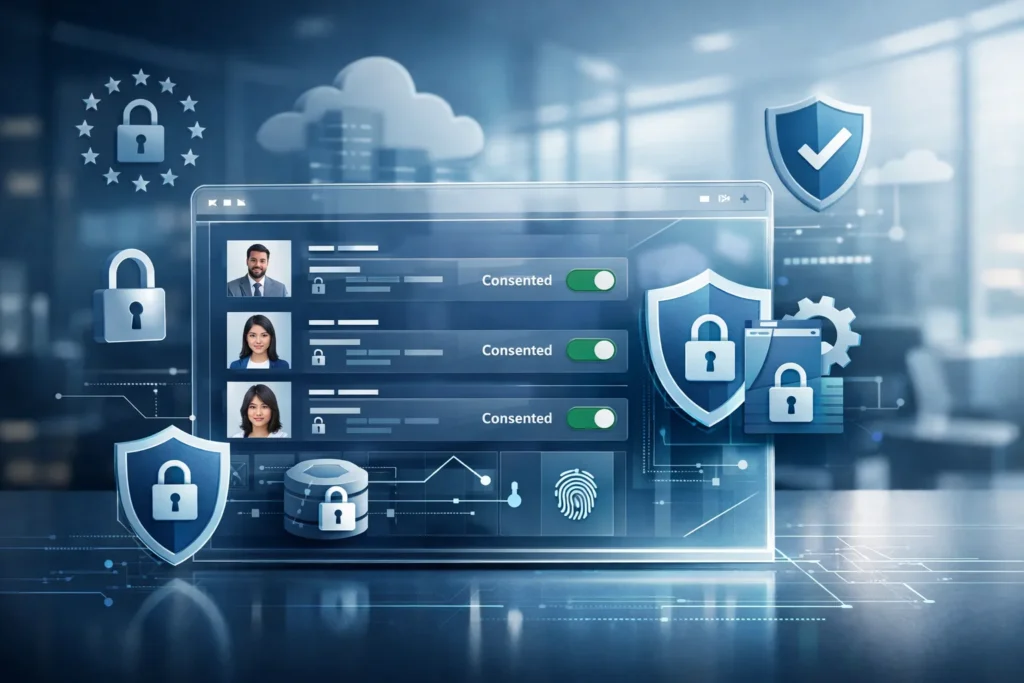
Data privacy is no longer a secondary concern—it is a core business requirement. In 2026, customers, regulators, and enterprise buyers expect organisations to handle personal data responsibly, transparently, and securely. With tighter global regulations and rising awareness around data misuse, traditional CRM systems that rely on excessive tracking and third-party data sharing are losing trust.
This shift has accelerated the adoption of Privacy First CRM platforms. These solutions are built around the principle of protecting customer data by default, ensuring compliance, and giving businesses full control over how data is collected, stored, and used.
In this guide, we explore what makes a CRM truly privacy-first, the benefits of adopting one, and the best Privacy First CRM solutions for 2026 to help you build stronger, more ethical customer relationships.
What Is a Privacy First CRM?
A Privacy First CRM is a customer relationship management system designed with data protection at its core. Unlike traditional CRMs that prioritise data collection and behavioural tracking, privacy-first platforms focus on consent-driven data usage, minimal data storage, and strong security controls.
Privacy First CRM vs Traditional CRM
Traditional CRMs often collect large volumes of customer data, integrate with multiple third-party trackers, and store information indefinitely. In contrast, Privacy First CRM systems:
- Collect only essential customer data
- Offer clear consent and preference management
- Avoid invasive tracking and profiling
- Give businesses and customers greater data control
Why Privacy First CRM Matters in 2026
With evolving regulations such as GDPR updates, India’s DPDP Act, and stricter enforcement of global privacy laws, businesses can no longer afford weak data practices. A Privacy First CRM helps organisations:
- Stay compliant with global data protection laws
- Reduce the risk of data breaches and fines
- Build long-term customer trust
Key Features to Look for in a Privacy First CRM
Not all CRM platforms claiming to be privacy-focused truly meet the standard. In 2026, a genuine Privacy First CRM should include the following features.
Built-In Data Protection & Encryption
Strong encryption ensures customer data is protected both in transit and at rest. Look for CRM platforms offering enterprise-grade security standards and regular vulnerability audits.
Consent & Preference Management
A Privacy First CRM should make it easy to capture, store, and manage explicit customer consent. This includes opt-in tracking, communication preferences, and consent history logs.
Minimal Data Collection & Data Control
Privacy-first platforms follow the principle of data minimisation—collecting only what is necessary. They also allow businesses to delete, anonymise, or export customer data with ease.
Compliance with Global Privacy Regulations
The CRM should support compliance with major regulations such as GDPR, DPDP, CCPA, and industry-specific standards where applicable. Automated compliance workflows are a major advantage.
Self-Hosting & Regional Data Residency Options
Many organisations prefer self-hosted or private cloud CRM deployments to retain full control over data. Regional data residency options help meet local compliance requirements.
Benefits of Using a Privacy First CRM
Adopting a Privacy First CRM delivers advantages that go beyond compliance.
Improved Customer Trust & Brand Reputation
Customers are more likely to engage with brands that respect their privacy. Transparent data practices strengthen loyalty and long-term relationships.
Reduced Legal & Compliance Risks
Privacy-first systems lower the risk of regulatory penalties, audits, and reputational damage caused by data breaches.
Better Data Quality & Ethical Marketing
When customers willingly share data, it tends to be more accurate and meaningful. This leads to better segmentation, engagement, and conversions without invasive tracking.
A Future-Ready CRM Strategy
As privacy laws and AI regulations continue to evolve, Privacy First CRM platforms provide a sustainable foundation for long-term growth.
Best Privacy First CRM Solutions for 2026
The following categories highlight the leading types of Privacy First CRM solutions businesses are adopting in 2026.
Privacy First CRM for Small & Mid-Sized Businesses
SMBs benefit from lightweight, easy-to-deploy CRM platforms that prioritise data protection without complex configurations. These solutions focus on essential CRM features, consent management, and cost efficiency.
Enterprise-Grade Privacy First CRM Platforms
Large organisations require scalable CRM systems with advanced security controls, role-based access, audit trails, and seamless integration with ERP and analytics tools.
Open-Source & Self-Hosted Privacy First CRM Options
Open-source and self-hosted CRM platforms are increasingly popular among privacy-conscious businesses. They offer complete data ownership, transparency, and customisation flexibility.
How to Choose the Right Privacy First CRM for Your Business
Selecting the right Privacy First CRM depends on your industry, data sensitivity, and operational needs.
Assess Your Data Sensitivity & Industry Requirements
Industries such as healthcare, finance, manufacturing, and SaaS often face stricter compliance obligations. Choose a CRM that aligns with your regulatory environment.
Evaluate Deployment & Integration Needs
Consider whether you need a cloud-based, self-hosted, or hybrid CRM. Ensure it integrates smoothly with your ERP, marketing automation, and reporting tools.
Balance Privacy, Usability & Cost
A strong Privacy First CRM should protect data without compromising usability. Evaluate the total cost of ownership, including compliance and security overhead.
Common Myths About Privacy First CRM
“Privacy First CRM Limits Sales & Marketing”
In reality, ethical data practices often lead to higher engagement and better conversion rates by focusing on quality rather than quantity of data.
“Privacy First CRM Is Only for Regulated Industries”
Every business that handles customer data benefits from stronger privacy controls, regardless of industry.
Future Trends in Privacy First CRM for 2026 and Beyond
Privacy-focused CRM technology continues to evolve rapidly.
AI-Driven CRM with Privacy-Preserving Technologies
Technologies such as federated learning and anonymised analytics allow businesses to gain insights without exposing sensitive customer data.
Zero-Party Data & Customer-Controlled Profiles
Zero-party data—information customers intentionally share—will replace passive tracking, making CRM data more ethical and reliable.
Increased Demand for Transparent CRM Vendors
In 2026, privacy is a key differentiator. Businesses increasingly choose CRM vendors that are transparent about data usage and security practices.
Conclusion: Is a Privacy First CRM Worth It in 2026?
Absolutely. A Privacy First CRM is no longer optional—it is a strategic investment in trust, compliance, and sustainable growth. As customers demand transparency and regulations become stricter, businesses that adopt privacy-first CRM platforms will gain a clear competitive advantage.
By choosing the right Privacy First CRM solution in 2026, you can protect customer data, strengthen relationships, and future-proof your CRM strategy.